This article will count 0.25 units (15 minutes) of unverifiable CPD. Remember to log these units under your membership profile.
You've just been dismissed. You believe it was unfair, and you're fighting it. The last thing on your mind is an email to your professional body. But that email might be the most important one you send.
The call nobody wants to make
Consider a purely hypothetical scenario. A member works as a finance manager for a mid-sized logistics business. A dispute with the employer turns ugly. The member is dismissed and immediately refers the matter for dispute resolution, convinced the process against them was flawed.Here is where the story usually goes wrong. Most professionals in that position go quiet. They reason that the dispute is private, that it's an employment matter, that there's nothing to tell their institute until it's resolved. Some worry that telling CIBA is the same as admitting guilt.Now suppose our hypothetical member does the opposite. They pick up the phone and report the matter to CIBA themselves, while it is still contested, while the outcome is still unknown.That single decision does not decide the outcome. But it changes the footing on which everything that follows is handled.
Disclosure is a term of your membership, not a favour
When you signed up as a CIBA member, you agreed to the Terms and Conditions of Membership and bound yourself to the CIBA Code of Conduct. Those instruments do more than set out your fees and your CPD obligations. They require you to keep the Institute informed of matters that affect your professional standing, and to cooperate fully with any investigation or disciplinary process that follows.That includes situations where you are the person involved. Dismissals connected to your professional conduct, criminal charges, findings by another professional body, insolvency events: these are not private matters once you carry a Chartered designation. As CIBA has explained in its guide to professional boundaries, breaches of the Terms and Conditions of Membership can themselves ground disciplinary proceedings, separate from whatever triggered the underlying dispute.Read that again. Staying silent can become its own offence, even if you win the original fight.
Disclosure is not an admission
This is the part members misunderstand most. Reporting a matter you are involved in does not mean you accept guilt. You can disclose and contest at the same time. In fact, the two belong together.A member who self-reports a contested matter tells the Institute three things without saying a word:That they understand integrity means openness even when openness is uncomfortable. The foundations of professional trust rest on exactly this kind of candour, because a lack of openness is read by clients, employers and regulators as unethical, whatever the underlying facts.That they respect the process. Disciplinary structures exist to protect the designation you worked for. A member who engages with the process protects the value of every other member's designation too.That they have nothing to hide. When CIBA hears about a matter from the member first, rather than from an employer, a complainant or a newspaper, the member starts from a position of credibility, not suspicion.
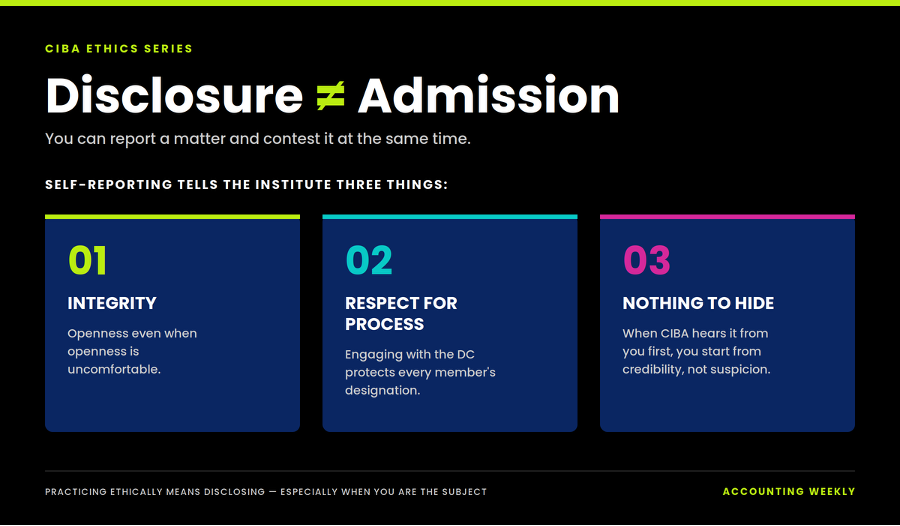
Figure 1: Self-reporting a contested matter signals integrity, respect for process, and transparency.
What silence costs you
Now run the alternative. The member says nothing. Months later, the former employer, or an aggrieved third party, lodges a complaint. The Institute now has two issues on the table: the original matter, and the fact that the member sat on it.The first issue might be defensible. The second rarely is. Non-disclosure converts a matter you might have won into a breach you will almost certainly lose. It is the professional equivalent of the cover-up being worse than the crime, a pattern South African practitioners have watched play out in high-profile ethical collapses across the profession.
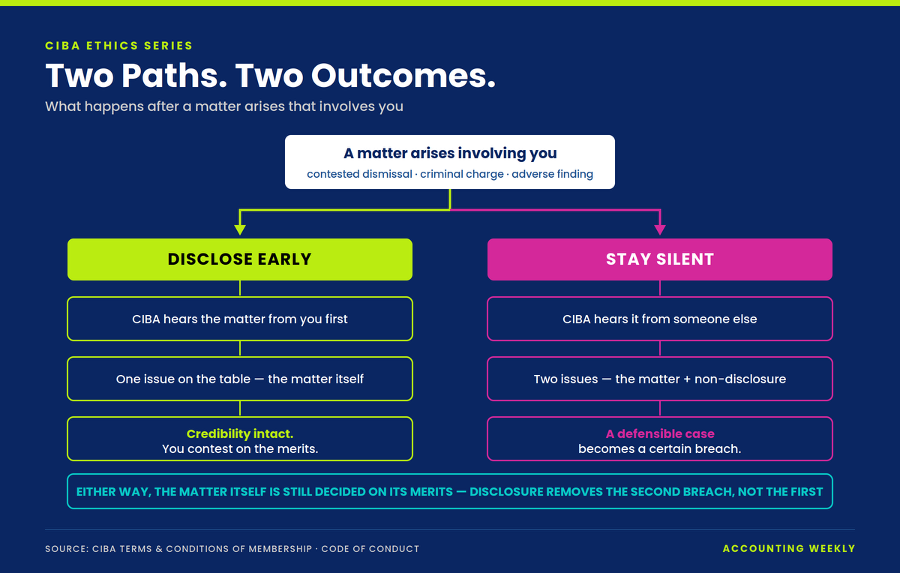
Figure 2: The same triggering event, two very different positions.
The matter itself is still decided on its merits.For members in practice, the stakes compound. Your SME clients in retail, construction and logistics trust you precisely because you carry a designation backed by a functioning ethical framework. If that framework only works when members volunteer information, then every member who hides a matter weakens the credibility your fees depend on. When the market stops trusting designations, it stops paying for them.
What disclosure buys you, and what it does not
Be clear-eyed about this, because it is where wishful thinking creeps in. Self-reporting is not a get-out-of-jail card. The Institute must still assess the matter on its merits. If the underlying conduct amounts to a breach of the Code of Conduct, disclosing it first does not erase it, and sanctions can still follow.What early disclosure does buy you is real, but specific. It removes the second, separate breach of non-disclosure, so you fight on one front instead of two. It preserves your credibility, because the Institute learned of the matter from you. And voluntary disclosure and full cooperation are factors a disciplinary body may weigh in mitigation when it considers sanction, although no member should treat that as a guarantee.In short: disclosure protects how you are seen and how the process begins. It does not, and should not, determine how the matter ends. That still turns on the facts.
Practical takeaway: your disclosure checklist
Do this today, not when a crisis hits:
1. Reread your Terms and Conditions of Membership. Know what you are required to report and when. If you cannot find your copy, request one from CIBA.
2. Apply the front-page test. If a matter you are involved in appeared in the news tomorrow, would CIBA be hearing about it for the first time? If yes, disclose now.
3. Disclose in writing, early, and factually. State what happened, what stage the matter is at, and that you will keep the Institute updated. Do not argue your case in the disclosure; that is what the process is for.
4. Keep disclosing. A material change in the matter, such as a referral, a charge, a settlement or a finding, triggers a fresh duty to update.
5. Cooperate with any resulting process. The same ethical standards that govern your professional work govern your conduct inside a disciplinary process: honesty, responsiveness, and full documentation.
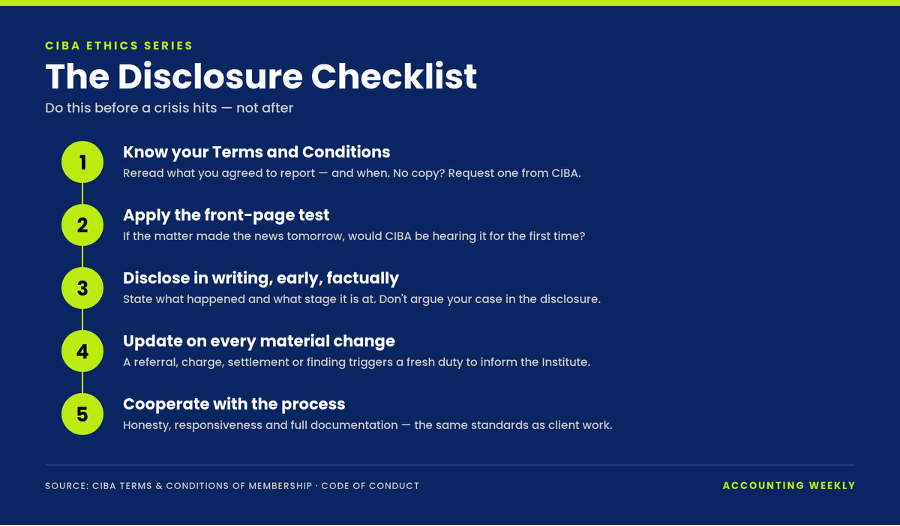
Figure 3: The five-step disclosure checklist every member should apply.
In our hypothetical, the member is still contesting the matter, and the outcome remains open. Disclosure has not decided it, and it will not. But whatever the finding, one thing can never be held against them: how the Institute came to know. That is what practicing ethically looks like when it counts: not when it's easy, but when you are the subject.
👉 Join CIBA and we'll show you how to protect the designation you've built, even on your hardest professional day.
Further reading
Who Can Sign What? Understanding Your Professional Boundaries as a CIBA Member — How the Terms and Conditions of Membership and Code of Conduct define what members may and must do.
Navigating the Tightrope: Ethical Practices and Fraud Prevention — Why ethical lapses, not technical failures, destroy professional careers.
Trust Is a Must for Professional Accountants — The role of openness and integrity in maintaining public confidence in the profession.
New Ethical Standards for Tax Practitioners — How CIBA's ethical framework aligns with international standards and what it demands in practice.


Trending