

Stop Applying Big-Firm Ethics to Your Small Practice
Thandi lost a whole Saturday to independence rules about network firms. She does not have a network. She never will. Half the Code of Ethics was never written for her one-person practice, and nobody had told her which half. The five principles are the same for everyone, sole proprietor or Big Four partner. The reading is not. Here is which parts of the Code a one-person practice must apply, and which parts you can put down today.

The Password That Kills Your Own Defence
It is 4pm on the 25th. The VAT201 is due, your client cannot reach their eFiling profile, and someone in your office asks them to send the login and the OTP. The return goes in on time. Eight months later a complaint arrives, and every submission on that profile is recorded as your client's, not yours. You cannot prove what you filed, or when. The borrowed password did not risk SARS catching you. It removed the only defence you had.

Why Ethical Members Report Themselves First
Dismissed, disputing it, and dreading what comes next? One email should not wait: the one to your Institute. CIBA's Terms and Conditions of Membership require members to disclose matters they are involved in, yes, even contested ones. Disclosure is not an admission, and it is not immunity either. The matter is still decided on its merits, but it removes the second breach, protects your credibility, and lets you sleep soundly knowing that however it ends, you acted ethically.
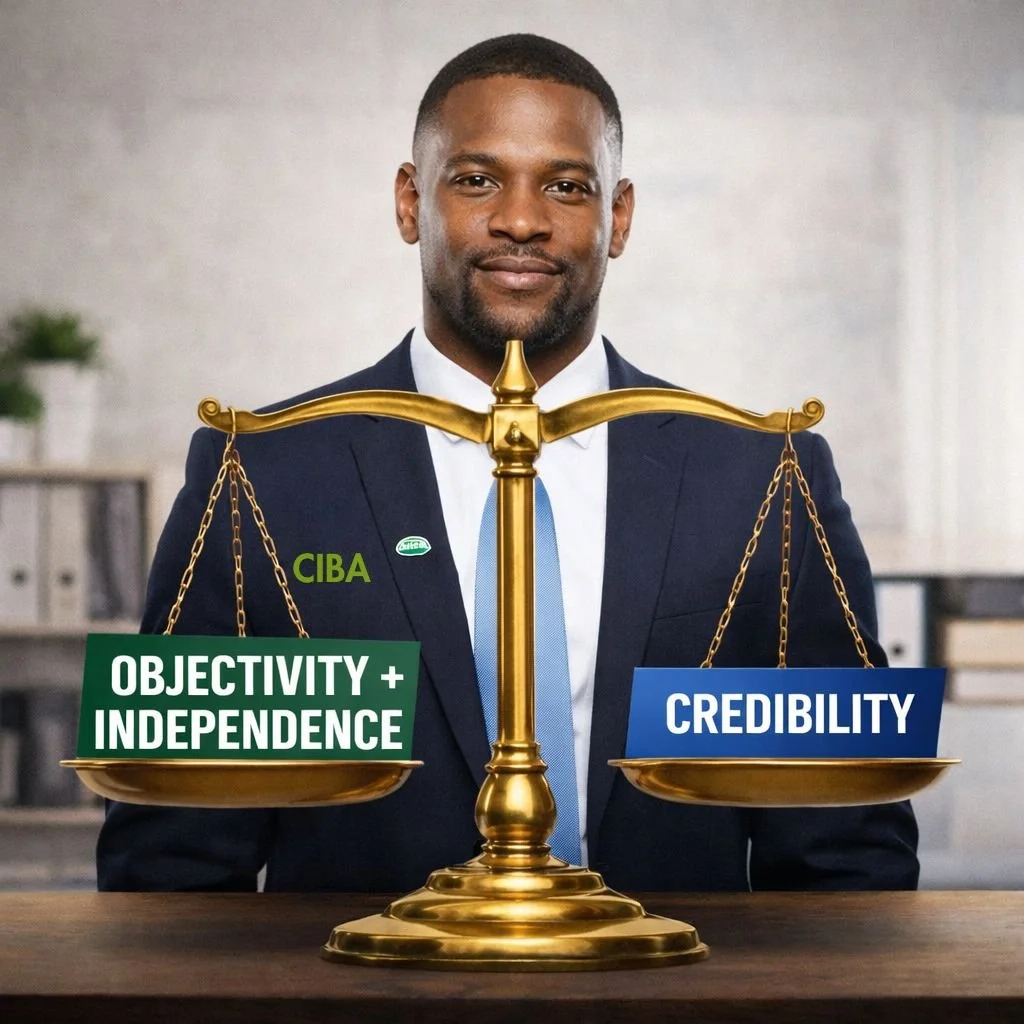
You Can’t Mark Your Own Homework: Why Compilers Can’t Also Be Reviewers
Can you really be objective if you’re reviewing your own work? Many accountants unknowingly cross a line that can sink their credibility, and trigger red flags with SARS. This article looks at the hidden risks of mixing compilation and assurance, and shows how business accountants can protect their independence, boost their value, and stay on the right side of the standards.