This article will count 0.25 units (15 minutes) of unverifiable CPD. Remember to log these units under your membership profile.
Ever tried reviewing your own work and calling it objective? That’s exactly the trap many accountants fall into when they blur the line between compiling financial statements and providing assurance. For Chartered Business Accountants in Practice (CBAPs) knowing where that line is not just an ethical issue, it’s about professional credibility, client trust, and long-term sustainability.
Independence: The Heart of Assurance
Independence is what gives assurance engagements their value. It’s not only about being objective, but about being recognised as such.
According to the International Code of Ethics for Professional Accountants, independence means you can express a conclusion without being influenced by bias or external pressures. There are two parts:
Independence of mind: You’re genuinely able to make impartial decisions.
Independence in appearance: A reasonable third party would see you as objective.
Closely related to independence is objectivity, which means not letting bias, conflicts of interest, or undue influence override your professional judgment. If either independence or objectivity is compromised, even if unintentionally, your assurance report loses credibility. That’s why the standards require threats to independence to be identified, evaluated, and either eliminated or properly safeguarded against. If they can’t be addressed, you should not take on the assurance engagement.
Compilation vs Assurance: Where the Line Is
Compiling financial statements is a valid, valuable service. Many clients require financials for internal use, banks, or SARS submissions. And yes, sometimes those financials also need to be reviewed or audited.
📌Here’s the catch: If you compile the financials, you cannot also be the one who provides the assurance on them. Doing both creates a self-review threat as you’d be checking your own work. This violates ethical codes and assurance standards like ISRE 2400 guiding independent reviews.
📌BUT, there is an important clarification: You can absolutely compile AFS even if the client is heading into an audit or review. Just make sure you’re not the one performing that assurance engagement.
Real-World Examples
The Wrong Way: A CBAP compiles a small business’s annual financials, then performs a review engagement for SARS. This is a clear conflict and breaches independence.
Also Wrong: A practitioner acts as the finance consultant, bookkeeper, and reviewer for a startup. They’re managing internal systems and then assuring them. That’s a textbook case of impaired independence.
The Right Way: A CBAP compiles the AFS, then engages a peer to perform the review. Each party sticks to their lane. The client gets what they need — independently verified statements.
Other Services That Kill Independence
Compiling the financial statement is not the only service that will get you too close to the client to offer assurance. Here are common services that impair independence:
1. Designing or implementing internal controls
2. Valuation services requiring judgment
3. Aggressive tax planning or signing off tax opinions
4. Acting in a management role or making decisions for the client
5. Hosting the client’s accounting system or data
6. Providing legal or dispute resolution services on their behalf.
Each of these creates a conflict: you’re too involved to stand back and give an unbiased opinion.
What You As a Business Accountant (CBAP) Can Do
Know whether your independence is intact
As CBAP you can offer large number of different services. If you review a client’s financial statements, however, you will have ensure that the services you performed do not impact your independence.
Split the Roles
Even if your practice is small, you can collaborate with a peer CBAP. You compile for them, they review for you. It keeps the work flowing and the ethics clean.
Clarify Engagements Upfront
Use engagement letters to set clear boundaries: “This engagement is for the preparation of financial statements only. Any assurance required on these statements will be performed by an independent practitioner.”
Know When to Step Back
If you’re too involved, whether as a family member, investor, or strategist, refer the assurance to another accountant. Independence matters more than keeping everything in-house.
Bottom Line
Independence isn’t a luxury it’s your license to operate. By maintaining clear boundaries, CBAPs can deliver better value, remain compliant, and actually use independence as a competitive edge.
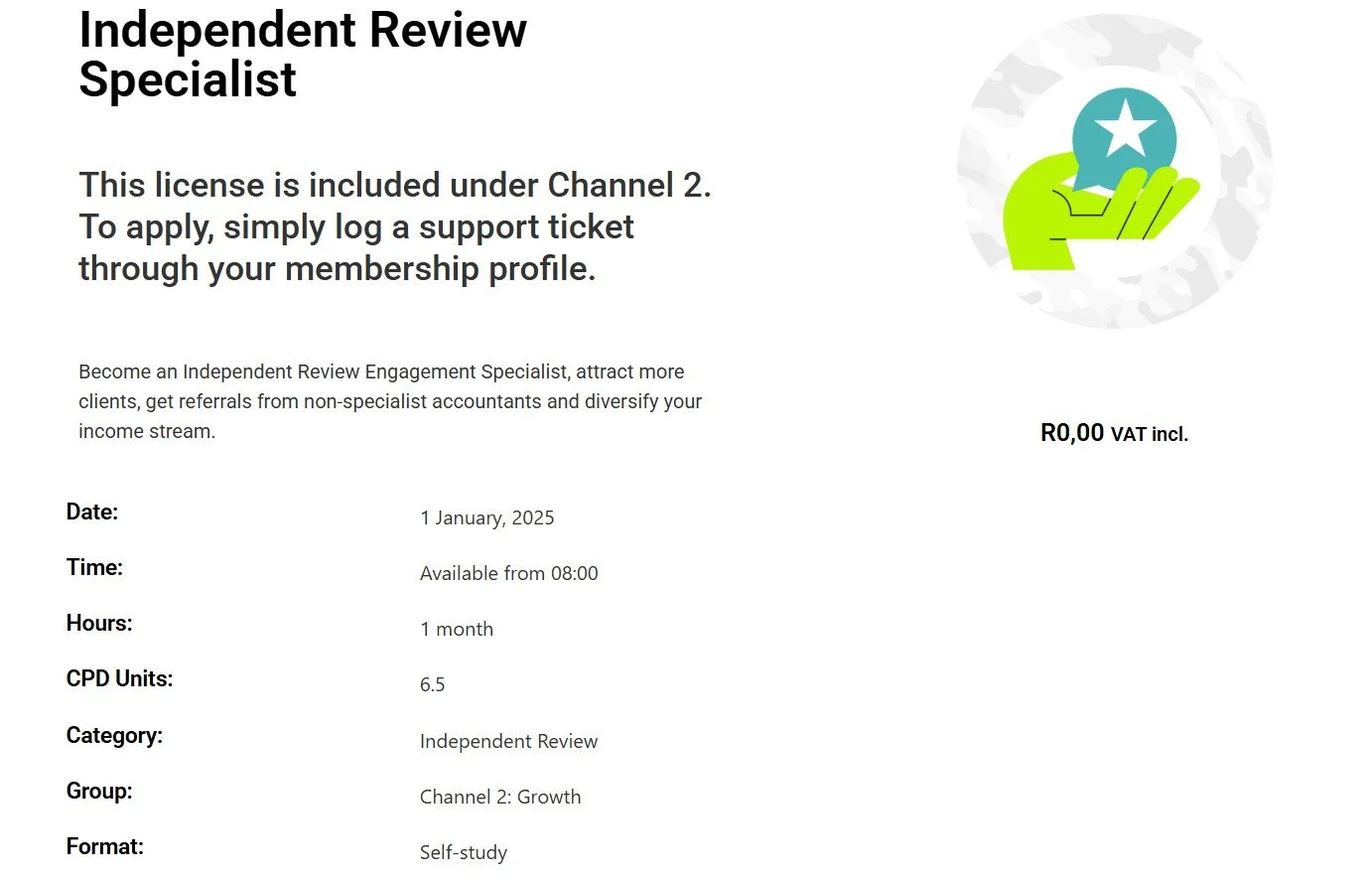
Ready to put this into practice? Get your independent review license from CIBA and use the tools, templates, and peer networks that help you grow ethically and profitably.
Get your specialist license with CIBA and add independent reviews to your service offerings



Trending