

Latest Articles

Most insolvencies build over months, and the accountant is often the first to see them in the numbers. Deferred VAT and PAYE, an overdraft at its limit and suppliers demanding cash may mean a client has crossed a legal line. This article explains the two insolvency tests, the six-month financial distress rule, when directors become personally liable and how creditors are paid, and sets out when you should document your concerns and refer clients for specialist advice in good time.

In September the Prudential Authority fined Capitec R28 million, and by the bank's own account, not a cent was laundered. It was punished for something quieter: it could not prove its controls were working. If that can happen to a bank, ask what it means for a practice of one. Under FICA, the duty to report a suspicious client is yours, personally. No proof required. Suspicion is enough. Your honest clients are not your defence. Your paper trail is.

Your payroll clients are the ones exposed. Pay a one-man company for services and you may be an employer who should have withheld PAYE at 27%. Get it wrong and the shortfall, the 10% penalty and the interest follow the directors personally. Here's how to spot it first.

Battling with beneficial owernship filing? The CIPC answered practitioners' questions in August 2026. Find out why nothing pre-populates each year, why the mandate must name a person and not your firm, when a confirmation certificate is issued and when it is not, and why no declaration means no annual return since July 2024.

Financial statement fraud is not always easy to spot, but there are often warning signs if you know what to look for. Profits may be increasing while cash is running out, debtors may suddenly grow, strange journal entries may appear at year-end, or important documents may keep going missing. Sometimes it is not one big thing that gives fraud away, but several small things that simply do not make sense. This article looks at the practical red flags you may actually see in a business and the questions you should start asking when the numbers do not match the real story.

Learn how to move beyond simply calculating financial ratios and use them to understand what is really happening in a business. This practical guide explains key profitability, return, efficiency, liquidity, solvency and investment ratios, including their formulas, while showing how context changes their meaning. Discover how to identify important movements, ask better questions, connect financial results to operational realities and turn ratio analysis into practical actions that support stronger management decisions, client conversations and everyday financial reporting processes for accountants.
Trending News
Trending News
Tax FAQs
News from Regulators

Member FAQs
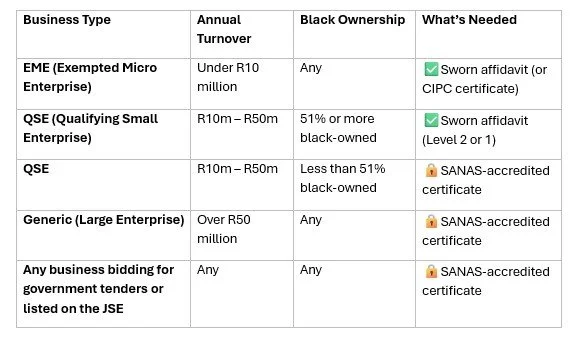
Not sure if your client needs a sworn affidavit or a full SANAS-accredited B-BBEE certificate? The difference could cost them a contract. This quick-read guide breaks down the latest rules, thresholds, and verification requirements, so you can give clear, compliant advice every time.

A sole director creating a subsidiary fully owned by his current (Pty) Ltd. He’ll run both companies himself, but here’s the twist: does this new setup still count as "owner-managed"? And can a Business Accountant in Practice handle the group financials? It sounds simple, but the moment a company becomes the shareholder (not the individual), the rules shift. If you’ve got clients growing their business footprint, this FAQ unpacks what changes, what stays the same, and what you can legally do next.
Accounting & Assurance FAQs
“He wants a refund. I want respect.”
What do you do if a client demands his fees back despite months of unpaid support and self-inflicted tax mess? In this case the accountant stood firm. Armed with proof, a lawyer, and a paper trail thicker than a SARS audit, she’s not backing down. This case is one’s for every accountant who's done more than they were paid for, only to get slapped with a dispute.

A CV is more than just a list of your work history; it’s a way to show employers what you bring to the table. A clear and well-written CV can help you stand out in a crowded job market. This article breaks down the basics of creating a strong CV that highlights your skills and experience, step by step.
Practice Management FAQs


Become a CIBA Member
Your first step towards a professional designation.
Become a CIBA Member to enjoy full access. Fill out the form to speak with a consultant or schedule a call to learn more before committing to membership. We're here to help.
Already a CIBA Member?
Use the discount code provided on your CIBA Member profile at checkout and receive 100% discount.
Not a CIBA Member?
Already a CIBA member?
Log in to get your discount code

Join Accounting Weekly
R250.00 FREE
Every month
100% Discount when you become a CIBA Member. Join now to claim your CPD Hours. Register here: https://accounts.myciba.org/register
Practice Management
Most insolvencies build over months, and the accountant is often the first to see them in the numbers. Deferred VAT and PAYE, an overdraft at its limit and suppliers demanding cash may mean a client has crossed a legal line. This article explains the two insolvency tests, the six-month financial distress rule, when directors become personally liable and how creditors are paid, and sets out when you should document your concerns and refer clients for specialist advice in good time.

Good communication is more than professional etiquette; it shapes trust, relationships and how others experience your work. Learn how small changes to the way you manage emails, meetings, response times and difficult conversations can prevent misunderstandings, strengthen professional relationships and make your communication as effective as your technical expertise.

South Africa has no binding AI law, but POPIA already applies the moment client data enters a prompt. This article sets out the ten sections every accounting practice AI policy needs, the legislation that already binds you, and how to package the same work as a paid service for clients.
Trending News

Listen to our Podcast

Listen to an insightful discussion on the latest legal developments in South Africa's fight against corruption.
Edward James, Corporate Crime Risk Lead for Africa at Pinsent Masons, will shed light on the newly introduced ‘failure to prevent' corruption offence in South Africa.
In the wake of the Judicial Matters Amendment Act, businesses in South Africa are facing a pivotal moment in their anti-corruption efforts.

Listen to the impactful discussion on the upcoming Moore Opportunity Vacation Experience (MOVE) with Dillen Breitenbach of Accounting Warriors!
On 22 April 2024, CIBA CEO MBA Nicolaas van Wyk hosted Dillen to unpack this exciting program from Moore.
Key highlights:
The Effectiveness of Linkedin as a learning platform
Eligibility criteria for university students
Experiences from boardroom and practical sessions
Benefits of networking
Understanding Moore's entrepreneurial culture
Tips on making your MOVE application stand out
Listen to the insightful conversation with industry leader Mark Silberman, Director of Accfin Software, on Accounting Weekly's channels!
CIBA CEO, Mr. Nicolaas van Wyk, sat down with Mark to discuss:
Cutting-edge accounting software solutions
Innovations driving the future of the profession
Compliance & Risk Aversion in modern practices
Company law & secretarial best practices

List to an engaging live podcast interview with Telita Snyckers, former SARS lawyer and acclaimed author.
On 12 April 2024 , CIBA CEO MBA Nicolaas van Wyk hosted Telita Snyckers to explore the intriguing worlds of tax administration and the tobacco industry.
Key Topics:
Dirty Tobacco: Unraveling the secrets behind tobacco smuggling
Criminal Investigations: Exploring their strategic value in tax administration
Insights from Telita's groundbreaking book and extensive experience

Liste to an insightful interview with Professor Steven Firer CEO at FirerForensics
On 12 April 2024 , CIBA CEO MBA Nicolaas van Wyk hosted Professor Steven Firer where they delve into a thought-provoking discussion on the latest trends and challenges in the accounting profession.

CIBA CEO, Nicolaas van Wyk, sat down with Brian Kazungu, a seasoned professional in media, literature, and business development in an exclusive interview on 12 April 2024.
Brian shared his expertise and perspectives on literature, media trends, and modern business approaches.
With his interdisciplinary expertise and unique blend of academic knowledge and practical experience, Brian delivered a dynamic discussion that inspires and informs.
Listen to an insightful discussion on tax dispute resolution with Nico Theron, Founder of Unicus Tax Specialists SA and Chartered Tax Advisor (SA).
Dive deep into Tax Dispute Resolution Calculators and discover their potential:
Determine due dates effortlessly.
Track days lapsed with precision.
Gain access to Tax Dispute Templates for smoother proceedings.
Navigate through Tax Dispute Flowcharts to strategize your next move effectively.

Tune in to an inspiring discussion on the evolution of accounting and fintech with Mariska Fernhout, Financial Director of DataGrows.
CIBA CEO Nicolaas van Wyk hosted Mariska to explore her journey from a BCom student to co-founding a successful fintech company.
Key highlights:
The journey from BCom accounting to fintech innovation
How DataGrows is transforming practice management for accountants
The importance of staying close to clients and adapting services
Overcoming challenges in the accounting profession with technology
Insights on the South African fintech landscape
Tips for aspiring accountants on navigating career paths and seizing opportunities