

SARS VAT e-Invoicing: What It Means for Your Practice
SARS is proposing a five-corner e-invoicing model where invoice data reaches it in near real time, from both the seller and the buyer. Rollout runs to roughly 2033, starting with large business. Here is how it works in plain language, and what it means for a small accounting practice.

SARS Revised ITR12 eFiling Guide: 12 Changes That Bite
SARS has issued a revised ITR12 eFiling guide, and it changes the way you work. Biometric login checks. A read-only auto-assessment waiting room. A Declaration Questionnaire with a 24 working hour deadline. OTPs on banking changes, with penalties up to R16 000 for a false declaration. Here are the twelve changes practitioners need to action before the 23 October filing deadline.

2026 Tax Filing Season Changes
Filing Season 2026 is open, and SARS has changed more than the dates. Simple provisional taxpayers are now auto-assessed, the ITR12 form and wizard have been rebuilt, Section 20A ring-fencing kicks in at 39%, and a new Declaration Alert Questionnaire can keep your clients out of verification queues. Some of it makes filing easier. All of it changes how you check a return. Here is what changed, and what to do before the season gets busy.
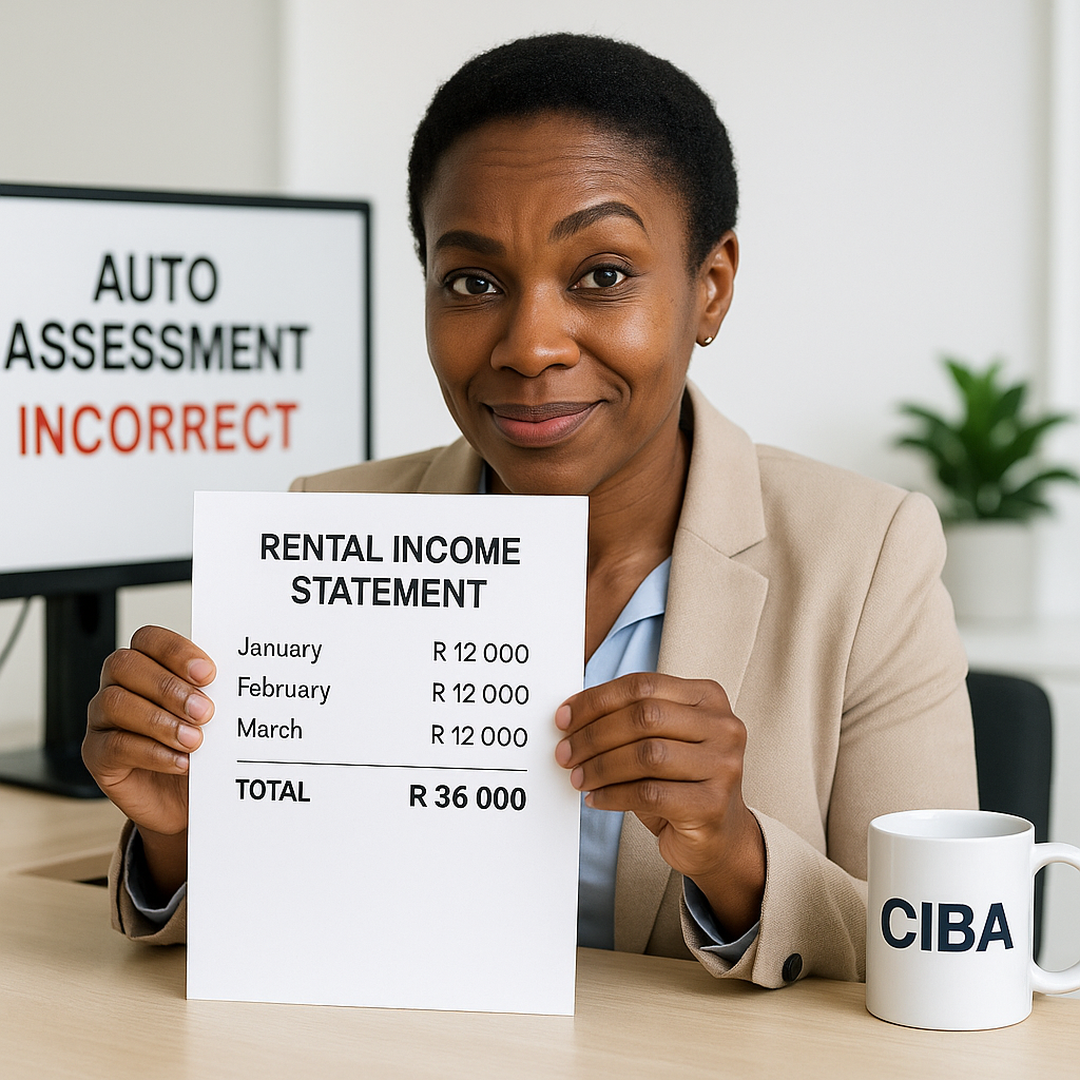
Auto-Assessment Is Not the Final Answer
Every July, the same question hits tax practitioner WhatsApp groups: are we slowly being made redundant by SARS auto-assessments? The honest answer is no, but the work has changed. Here is what you still do this filing season, what to charge for it, and how to alert your clients before SARS's calculation quietly becomes their final tax assessment.

Provisional Tax Status: Why You Should Check Twice a Year
Think you’re not a provisional taxpayer? Think again. Your tax status isn’t fixed and missing a change could land you with unexpected admin penalties. This article explains who qualifies, who doesn’t, what income counts, and how to avoid costly mistakes. Whether you’re an individual taxpayer or a practitioner, checking your status twice a year could save you from serious SARS trouble.

Auto‑Assessment or Auto‑Oops? What You Need to Know Before 7 July
This tax season, SARS is hitting “auto” on millions of returns, but that doesn’t mean practitioners can sit back. From 7 July, auto assessments will land in client inboxes, and while they promise speed and simplicity, they can just as easily conceal costly errors. If you're not reviewing every auto assessment with a fine-tooth comb, your clients, and your reputation, could be at risk. Here's what you need to know to stay ahead, protect your clients, and turn compliance into opportunity.