Small Firms, Big Pressures — And the Opportunities Hidden in Plain Sight
This article will count 0.25 units (15 minutes) of unverifiable CPD. Remember to log these units under your membership profile.
The challenges facing small accounting practices are universal. Whether you are based in New York or Nelspruit, the story is remarkably similar: growing workloads, rising client expectations, and not enough hours in the day.
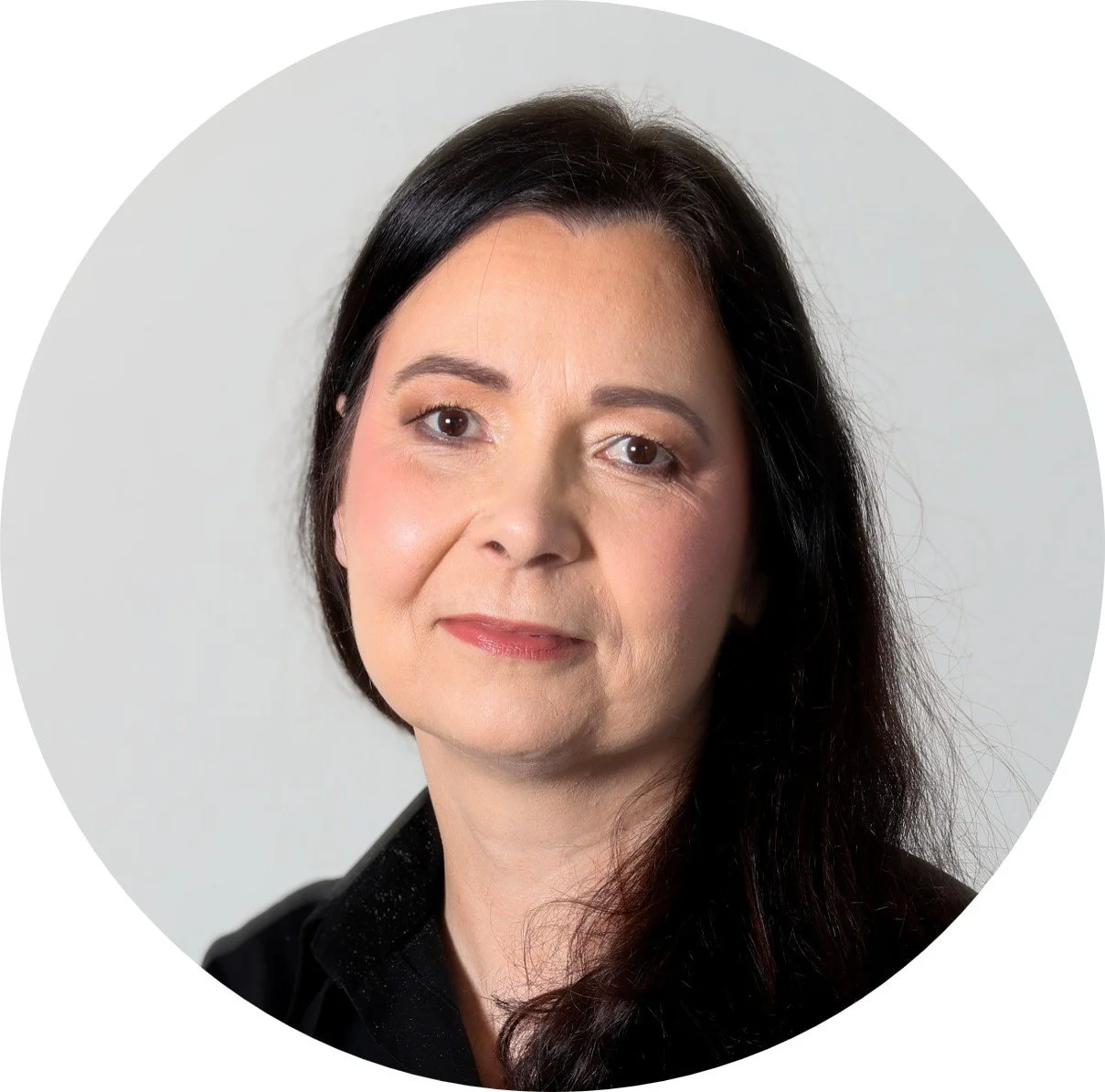
A recent podcast by Accounting Today featuring Stephanie Otero, Vice President and Small Firm Advocate at the American Institute of CPAs (AICPA) shines a spotlight on the realities of running a small practice. While the conversation is American in context, the issues raised will feel immediately familiar to South African practitioners.
The Core Problem: Capacity
The biggest challenge for small firms is not just staffing, it is capacity in the broadest sense. Regulatory compliance is increasing, client expectations are rising, and the workload simply keeps growing. For South African accountants navigating continuous legislative change, from SARS requirements and Companies Act obligations to evolving IFRS for SMEs standards, this resonates deeply.
You Are Already Advising, You Just Are Not Charging for It
Most small firm practitioners are already providing advisory services. They are just not packaging or pricing them as such. Every time you flag a concern in a client's financials, suggest a more tax-efficient structure, or help a business owner understand their numbers, that is advisory work.
Otero's advice is to start small. Pick a handful of your best clients and have a deeper conversation. For South African practitioners, this could mean cash flow planning, assistance with SARS correspondence, or helping clients navigate regulatory changes affecting their industry. Build it into your pricing, and grow it from there.
AI Levels the Playing Field
The podcast tackles AI head-on, and the conclusion is encouraging. AI does not require a large budget to be useful. The tools available today are increasingly affordable and accessible, and for small practices they offer something genuinely valuable: the ability to create capacity without hiring additional staff.
Routine tasks, drafting client communications, summarising documents, organising information can be handled more efficiently with AI assistance, freeing practitioners to spend more time on the work that actually requires professional judgement. For CIBA members who are sole practitioners or run lean practices, this is worth exploring seriously.
You May Already Have a Niche
Otero shares a telling personal story: after years of running her own practice, she realised she had unconsciously specialised in non-profit clients. Once she made that specialisation intentional, her practice became more focused, more sustainable, and easier to manage.
Many South African practitioners may find themselves in a similar position. You may already be serving a particular industry, construction, retail, professional services, agriculture, without having consciously chosen it. Making that focus deliberate allows you to deepen your expertise, become the go-to practitioner in that space, and attract the right clients rather than simply taking whoever comes through the door.
Undervaluing Yourself Is a Problem
One of the most direct points in the podcast is that small firm practitioners consistently undervalue their services. They charge too little, take on too many clients, and stretch themselves to the point of burnout often out of fear that raising prices will cost them business.
The reality, as Otero points out, is that clients trust their accountant enormously. That trust has value. Pricing your services to reflect the expertise, time, and professional responsibility involved is not just reasonable, it is necessary for a sustainable practice.
For CIBA members, this is a timely reminder. If your fees have not kept pace with the complexity of your work, the regulatory environment you operate in, or the value you genuinely deliver to clients, it may be time to revisit your pricing.
The Bottom Line
The challenges Otero describes — capacity constraints, rising compliance burdens, the pressure to do more with less — are not uniquely American. They are the daily reality of accounting practice in South Africa too.
But so are the opportunities. Close client relationships. Agility. The ability to pivot quickly. The trust clients place in their accountant. These are real advantages that small practices have over larger firms and they are worth leveraging intentionally.
The message is simple: know your value, focus your practice, embrace the tools available to you, and start having deeper conversations with your best clients. That is how small firms not only survive but thrive.