
Zhané Naidoo, Financial Manager
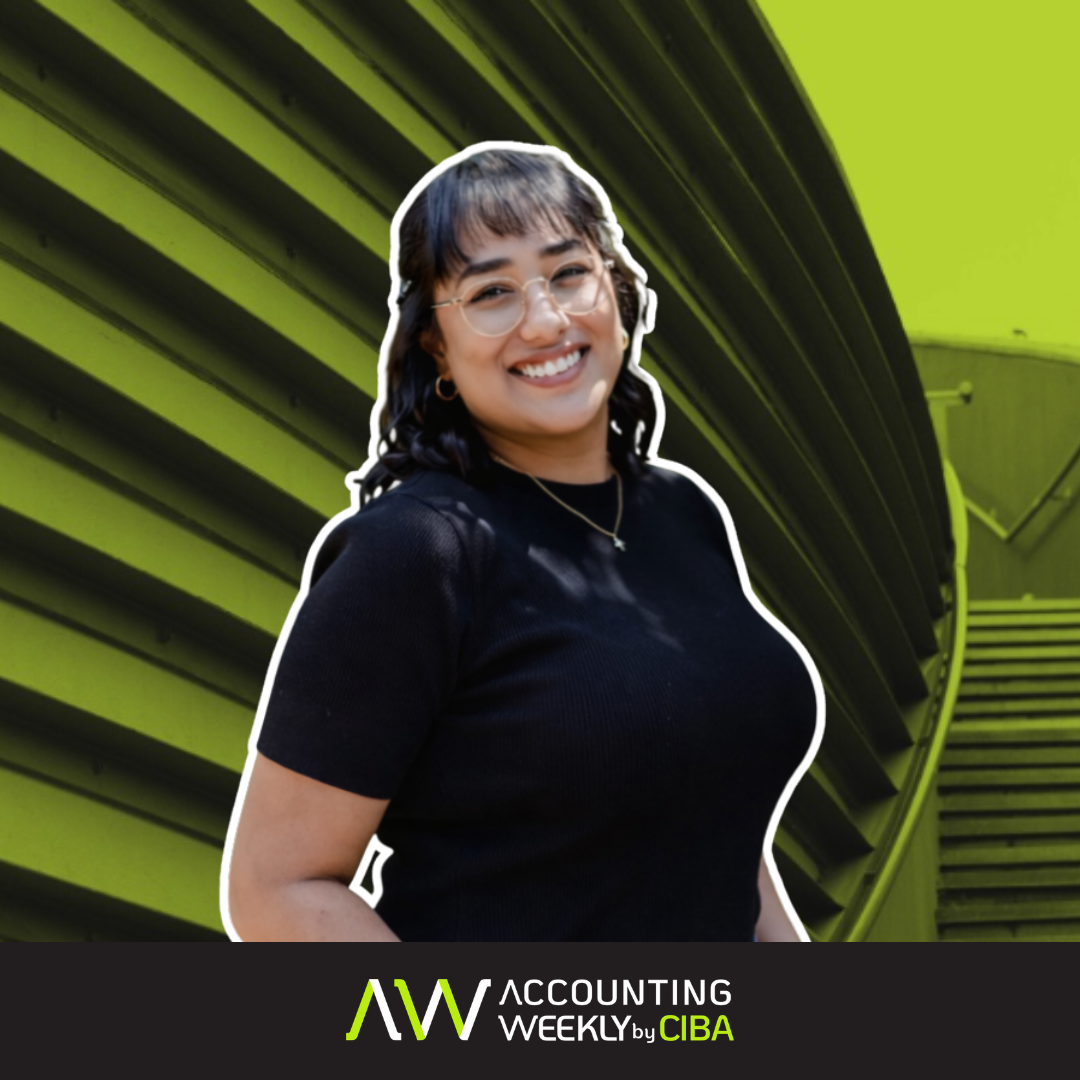
Financial Manager
Current Experience:
Financial Manager - Sustainable Capital Practice Metier · Full-time Apr 2020 - Present · (5 yrs 11 mos)
Past Experience:
VAT Account Manager at TecEx - Turnkey Export Compliance Jan 2019 - Mar 2020 · (1 yr 3 mos)
CIMA Article Clerk at Certified Master Auditors South Africa Incorporated Jan 2017 - Dec 2018 · (2 yrs)
Articled Clerk at Certified Master Auditors Incorporated Jan 2017 - Dec 2018 · (2 yrs)
Education:
BCom in Financial Sciences
BCom Honours in Financial Management
Country of Residence:
South Africa
LinkedIn Profile:
She closed ZAR 1.5 billion in renewable energy funds.
She led a 50-entity system overhaul.
She passed her CIMA Strategic Case Study with days to spare.
And she still makes it home in time to bath her daughter before opening her laptop again.
This week, we feature Zhané Naidoo, a Financial Manager who proves that pressure doesn’t break you. It builds you. From fund exits to offshore investor reporting, from system implementation to cross-border compliance, she’s operating at a level most accountants only read about.
What time do you usually wake up on weekends?
08:00 AM
Are you an early bird or a night owl?
Night Owl
How do you spend the first hour of your day?
I spend the first hour of my morning waking my baby, getting her ready for the day, and giving her breakfast.
What sparked your interest in accounting and finance?
In high school, I realised I had a natural talent for accounting. I was drawn to the logic and structure of it, and I really enjoyed the satisfaction of seeing everything balance perfectly.
Can you share some key career milestones or defining moments?
One of the defining moments in my career was leading a major system implementation, transitioning more than 50 entities onto a completely new platform. It was a high pressure project with strict quarterly deadlines and complex team dynamics to manage.
At the same time, I was preparing for my CIMA Strategic Case Study, which I passed on my first attempt with only a few days to study. Balancing both commitments pushed me to my limits, but it also proved that I can deliver under pressure and see large scale projects through successfully.
The new system brought meaningful reporting improvements, more efficient processes, and stronger collaboration across teams. That experience shaped how I work today. I aim to be forward thinking, open to new approaches, and intentional about using teamwork to drive real, practical improvements.
What is your role within your company’s finance department?
I managed the full accounting function for three renewable energy investment funds with a combined value of over ZAR 1.5 billion. After overseeing the successful exit of all underlying investments, I played an integral role in bringing the funds to close.
I then led a firm-wide system implementation designed to improve financial reporting efficiency by 30 percent. Beyond driving innovation and problem-solving through the new platform, I now provide key financial support to the Mauritian finance team. This includes handling investor queries and acting as the link between investment teams, external accountants, and legal advisors.
I also manage investor reporting for an offshore fund valued at USD 150 million. My responsibilities include preparing accurate quarterly reports, overseeing tax reporting and KYC compliance, coordinating cash calls and distributions, and working closely with analysts on investment appraisals to ensure alignment with strategic objectives. In addition, I have been actively involved in acquisitions and disposals, performing detailed financial analysis and managing investor communication throughout each transaction.
How do you contribute to the overall financial strategy of the business?
I contribute to the overall financial strategy by looking beyond individual tasks and focusing on how the different parts of the business connect. Seeing the bigger picture has helped me identify issues across the firm and implement practical solutions that improve both operations and outcomes.
By understanding the links between teams, I have streamlined processes, strengthened financial reporting, and improved collaboration. Leading the system implementation is a strong example of this. It increased efficiency, improved data accuracy, and made information more accessible, which supports better decision-making across the business.
My experience with investor reporting, acquisitions, and fund closures has also given me a solid understanding of both operational detail and strategic priorities. This allows me to anticipate risks, identify opportunities, and contribute in a way that supports the firm’s long-term growth and stability.
What is one of the biggest challenges you’ve faced in your role? How did you overcome it?
One of the biggest challenges I faced was adjusting to a much more diverse range of personalities and working styles. I came from an audit and consulting environment where most of my peers were my age, so stepping into a space with different communication styles, expectations, and levels of experience required me to strengthen my interpersonal skills and adapt quickly.
At the same time, moving into the investment space was a steep learning curve. I had not worked in investments before, so I had to build my industry knowledge from the ground up, understand complex transactions, and learn how to evaluate deals from both a financial and strategic perspective. It pushed me well outside my comfort zone.
I chose that move because I wanted to challenge myself, and it certainly did. Looking back, it is a challenge I would take on again without hesitation, especially because I discovered that I genuinely enjoy working in investments.

What tools or strategies do you use to manage the financial operations of the company effectively?
To manage the company’s financial operations effectively, I combine forward planning with strong analytical discipline to support accurate decision-making.
Forecasting and sensitivity analysis: I build detailed forecasts and run scenario analyses, particularly around investment timing and funding requirements. This allows me to anticipate cash flow pressures, identify potential shortfalls, and assess how different market conditions could affect performance.
Data-led decision-making: Through financial models and structured reporting tools, I ensure stakeholders have access to clear, reliable, and timely information to guide strategic decisions.
Process improvement: By implementing and refining financial systems, I have improved reporting efficiency, increased automation, and reduced the risk of error, which strengthens overall financial control.
Risk and compliance oversight: I maintain a strong focus on tax, regulatory, and investor reporting requirements to minimise risk and uphold sound governance standards.
Cross-functional alignment: I work closely with investment teams, legal advisors, and external accountants to ensure financial operations are fully aligned with broader strategic and investment objectives.
Share your strategies for staying balanced, especially during busy periods
During busy periods, I stay balanced by being intentional about my time at home. No matter how demanding work becomes, I make sure I’m fully present with my daughter in the evenings. I bathe her, we have dinner together, and I put her to bed before I open my laptop again. That routine keeps me grounded and reminds me what really matters.
I also make a conscious effort to pause when things feel overwhelming. Taking a step back, even briefly, helps me reset and approach challenges with a clearer mindset. It allows me to stay focused and motivated, knowing I’m showing up properly in both my professional and personal life.
What do you enjoy outside of work? Any hobbies or activities that help you recharge?
Outside of work, I value spending quality time with my daughter, my parents, and my partner. I enjoy being outdoors, whether that’s a relaxed day trip to a farm or park, or simply going for a walk together. Those moments help me recharge and stay connected to the people who matter most.
Do you mentor or support other team members in the finance department? How do you help develop the skills of others?
Yes, I actively mentor team members within the finance department. I believe the best way to learn is through practical experience, so I encourage them to take ownership of tasks and build confidence by doing the work themselves. I provide guidance where needed, review their work, and step in to clarify concepts or address gaps.
I also make a point of talking through processes and challenges with them, as I find that collaborative problem-solving strengthens both understanding and capability. In addition, I support colleagues who need assistance with automation or more complex tasks, ensuring they have the tools, structure, and confidence to succeed.
What advice would you give to someone aspiring to work in a finance department?
I would encourage anyone aspiring to work in a finance department to follow work that genuinely interests them, especially roles that keep them challenged and engaged. Finding that sense of purpose helps make day-to-day work more meaningful.
People skills are extremely important in finance. I am still developing this myself, and I believe it is a skill that continues to grow throughout a career. The ability to communicate clearly, build relationships, and work well with others is essential.
I also think innovation plays a big role. Always look for better and more efficient ways to do things, even through small improvements. Those incremental changes build up over time and can lead to meaningful progress.
“My favorite quote is “Simpler, better, faster.” It’s a phrase the CFO uses all the time to drive innovation and encourage out-of-the-box thinking. It’s something I’ve kept close and continue to think about every day, as it reminds me to keep seeking improvement in everything I do.”
Share a leadership lesson or a piece of advice that’s been valuable to you in your career.
One leadership lesson that has stayed with me is the importance of staying composed and focused on progress, even when things are not going as planned. Instead of spending energy on analysing who or what went wrong, I believe it is more productive to focus on where we are now and how we can move forward toward our objectives.
Keeping a forward-looking mindset helps maintain momentum, supports problem-solving, and keeps the team motivated and aligned around finding solutions rather than dwelling on setbacks.
What’s something surprising about you that isn’t in your professional bio? A hobby, interest, or fun fact?
I have a strong interest in horror fiction and true crime. While it may seem unusual to some, I find it to be a great way to relax and switch off. I enjoy listening to gripping podcasts and exploring intriguing, sometimes unsettling stories that keep me engaged and entertained.
If you could have any superpower to help you in your job, what would it be? Predicting financial trends? Master multitasking?
If I could have a superpower in my job, it would be the ability to see the future. Being able to anticipate challenges and plan with complete clarity would help me make better decisions, stay ahead of potential issues, and ensure smoother execution of plans. It would make a huge difference in staying proactive and supporting long-term success.
What’s your go-to strategy for staying productive during long workdays?
During long workdays, I stay productive by taking short walks and stepping away briefly to clear my mind and recharge. I also make it a point to stay well hydrated throughout the day. These small habits help me maintain focus, keep my energy levels steady, and work efficiently even when things are busy.
If you could relive one day from your career, which day would it be and why? What made that day special?
If I could relive one day from my career, it would be my first interview at Metier Private Equity. That was the day I met the CFO, someone I would later come to respect and admire professionally.
At the time, I didn’t realise that the interview would mark the start of some of the most challenging and rewarding years of my career. Working at Metier had a profound impact on my personal and professional growth, and that first interview is where the journey began.
Zhané’s story is a reminder: technical skill gets you in the room, but foresight, people skills, and courage keep you there.
She didn’t wait to feel “ready.”
She took the challenge.
She built the capability.
That’s what this profession needs more of accountants who think bigger than the numbers and see the strategy behind them.
If you’re serious about growing your authority, charging what you’re worth, and positioning yourself as more than “just the accountant”
Join CIBA and we’ll show you how to turn your experience into recognised professional power.
Profile sponsored by the Chartered Institute for Business Accountants
Not yet a professional designated accountant?
CIBA is the professional body for all accountants.
We offer designations for each stage of your finance career:
➥ Bookkeeper
➥ Financial Administrator
➥ Financial Accountant
➥ Financial Manager
➥ Chief Financial Officer
➥ Accountant-In-Practice
Become a CIBA Member
Your first step towards a professional designation


