
Asavela Mvoko, Financial Accountant
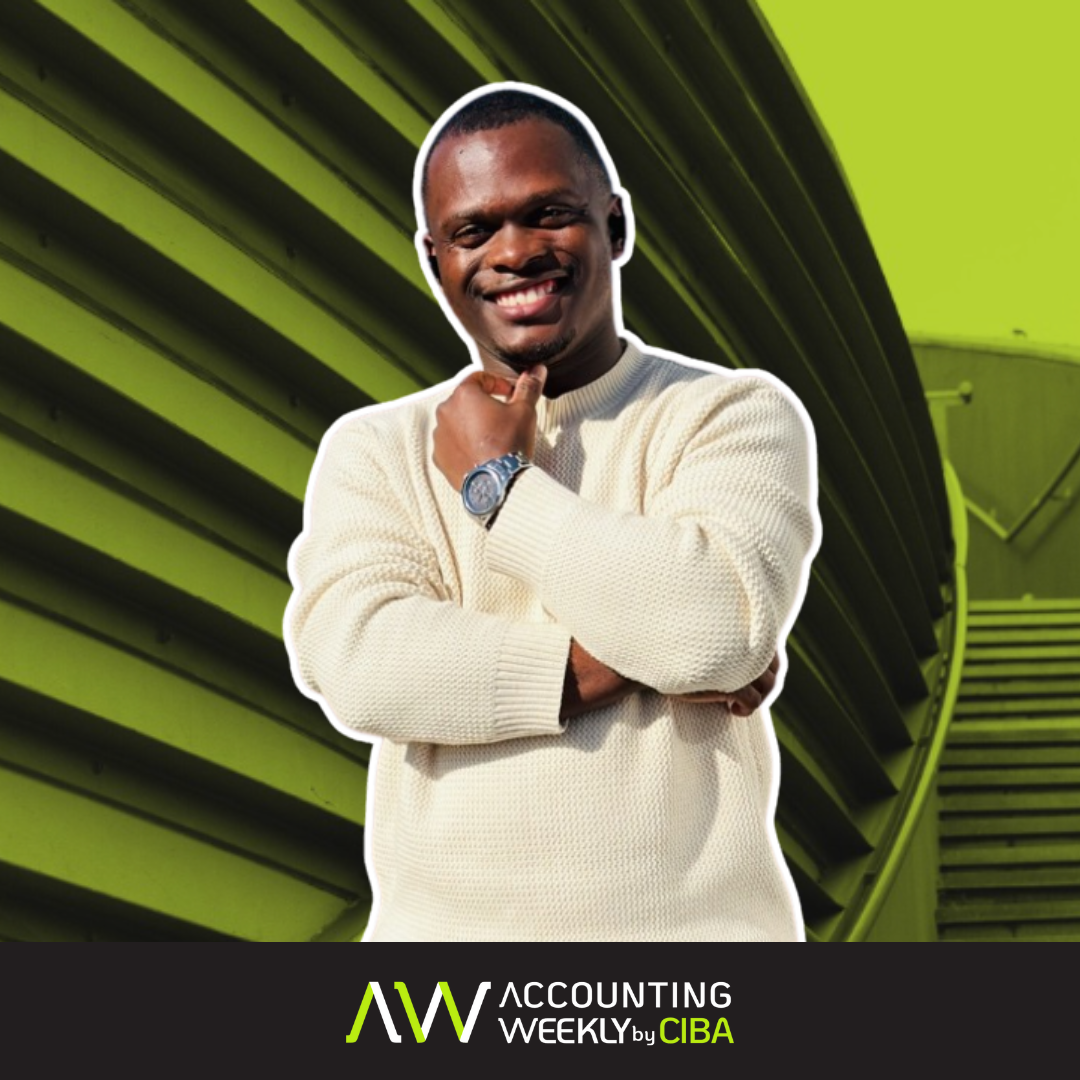
Financial Accountant
Current Experience:
Financial Accountant at tImivuyo Security and Cleaning Solutions · Contract Jan 2025 - Present · (1 yr 1 mo)
Past Experience:
McKinsey Forward Program Graduate at McKinsey & Company Sep 2024 - Dec 2024 · (4 mos)
Internal Audit Consultant at N Zengethwa & Associates Business Consultants (Pty) Ltd · Contract Jan 2024 - Dec 2024 · (1 yr)
Junior Accountant at TNJ Accountants · Contract Mar 2023 - Dec 2023 · (10 mos)
Accounting Clerk at APAC Consulting Inc · Contract Mar 2022 - Feb 2023 · (1 yr)
Inventory Controller at Debonairs Pizza - Try Something Amazing · Seasonal Mar 2021 - Feb 2022 · (1 yr)
Education:
BCom Accounting
Postgraduate Diploma in Management, Public and Development Management
Country of Residence:
South Africa
LinkedIn Profile:
With just a few years in the game, he’s already navigating audits, rebuilding broken records, and helping small businesses survive. From early morning reflections to late-night reconciliations, Asavela is proof that clarity, structure, and grit can change a company’s fate — one report at a time.
What time do you usually wake up on weekends?
09:00 AM
Are you an early bird or a night owl?
Early Bird
How do you spend the first hour of your day?
I start my day with a moment of gratitude and quiet reflection to clear my mind and set my focus. I rehydrate, get ready for the day, and quickly review my schedule and key priorities, whether that’s preparing financial statements, handling SARS queries, or planning client work. A bit of light stretching or a short walk helps me stay energised, followed by a nutritious breakfast to prepare me for the day ahead.
What sparked your interest in accounting and finance?
My interest in accounting and finance grew from wanting to understand how businesses really operate. I was drawn to how numbers tell a story about decisions, strategies, and opportunities, not just profits and losses.
As I studied accounting, I realised it goes beyond managing finances. It’s about supporting organisations by providing clarity, solving problems, ensuring compliance, and improving processes so businesses can grow sustainably. That mix of structure, problem-solving, and real impact is what continues to motivate me, especially when working with small and medium-sized businesses.
Can you share some key career milestones or defining moments?
Starting my career as an Audit Consultant at N Zengethwa & Associates was a key milestone, as it allowed me to build a strong foundation in auditing, taxation, and financial management while working with a diverse client base.
One defining moment was guiding a struggling small business through a financial restructuring process. Seeing the business regain stability and grow reinforced my passion for supporting SMEs.
Over time, my role expanded beyond traditional finance to include inventory management, operations coordination, and team leadership. These experiences helped me develop a broader, more strategic view of business operations.
Participating in the McKinsey Forward Program was another significant milestone. It strengthened my leadership, innovation, and strategic thinking skills, and equipped me with practical tools to take both my career and the businesses I support to the next level.
What is your role within your company’s finance department?
I play a multifaceted role within the finance department, focused on maintaining the organisation’s financial health and supporting efficient operations. My responsibilities include preparing accurate financial reports to inform decision-making, compiling annual financial statements with supporting schedules, and managing the preparation and submission of statutory tax returns for both individuals and companies.
I also handle SARS queries and audits, record and reconcile daily financial transactions, and ensure discrepancies are resolved promptly. In addition, I develop budgets, conduct financial forecasting, monitor expenditure, and identify cost-saving opportunities. I contribute to risk mitigation and financial strategy discussions and support strategic planning to ensure alignment with the organisation’s long-term objectives.
How do you contribute to the overall financial strategy of the business?
I contribute to the overall financial strategy by combining strong technical expertise with strategic insight and a focus on sustainable growth. I support the development of budgets and financial forecasts that align with the company’s objectives, and analyse financial trends to provide data-driven insights that guide decision-making and identify growth opportunities.
I ensure compliance with financial and tax regulations, reducing legal and financial risk, while proactively identifying and mitigating potential risks to protect the company’s assets and reputation. I also oversee cash flow management to maintain liquidity and operational efficiency, and help prioritise investments while controlling costs to support both short- and long-term goals.
In addition, I implement systems and processes that improve the efficiency and accuracy of financial operations, allowing the team to focus on higher-value activities. Through regular financial reporting, I enable management to make informed decisions around investment, expansion, and market opportunities. I also contribute to establishing strong policies and controls that support scalability, diversification of revenue streams, and long-term resilience.
What is one of the biggest challenges you’ve faced in your role? How did you overcome it?
One of the biggest challenges I’ve faced was managing a complex tax audit for a client with incomplete financial records. The situation posed a serious risk to the client’s compliance and financial stability and required immediate, accurate action.
I started by reviewing all available records and identifying key gaps. I then worked closely with the client to obtain additional supporting documents, such as bank statements and transaction details, and developed a clear action plan to address the auditor’s queries. I engaged proactively with SARS, requesting extensions where necessary to ensure that all responses were accurate and well supported.
Using my bookkeeping and reconciliation expertise, I reconstructed the missing financial information and cross-checked figures to ensure consistency and compliance. I maintained open, professional communication with the auditors and kept the client informed throughout the process to ensure transparency and confidence.
The audit was resolved successfully without penalties. Following this, I assisted the client in implementing stronger financial controls and improved record-keeping practices to prevent future issues. This experience reinforced the value of proactive problem-solving, attention to detail, and maintaining professionalism under pressure.

What tools or strategies do you use to manage the financial operations of the company effectively?
I use a combination of accounting systems and analytical tools to manage financial operations effectively. Sage and Pastel Accounting help streamline bookkeeping, invoicing, and financial reporting by automating routine tasks and improving accuracy. I also rely on advanced Microsoft Excel spreadsheets for budgeting, forecasting, and financial modelling, using formulas and pivot tables to analyse data efficiently. In addition, eFiling systems such as SARS eFiling support timely tax submissions and make it easier to manage compliance and respond to queries.
Share your strategies for staying balanced, especially during busy periods
I stay balanced during busy periods by prioritising tasks into urgent, important, and non-essential categories so I can focus on what matters most. I use calendars, task managers, and reminders to stay organised, and allocate dedicated time for focused work to remain productive without feeling overwhelmed.
I delegate where appropriate and trust my team with responsibility, supported by open communication to manage expectations and address challenges together. I also prioritise self-care by eating regularly, staying hydrated, and fitting in light exercise such as walking or stretching. Mindfulness and short moments of reflection help me stay grounded.
Setting clear boundaries between work and personal time is equally important, including limiting notifications outside of working hours and declining non-essential commitments. I lean on my support system when needed and regularly reflect on what’s working and what can be improved. This approach helps me maintain balance, sustain performance, and protect my overall well-being during peak periods.
What do you enjoy outside of work? Any hobbies or activities that help you recharge?
Outside of work, I make a conscious effort to do things that help me recharge and keep a healthy balance. Spending quality time with my girlfriend and family is important to me, whether that’s relaxing together, sharing meals, or going on short outings. It helps me unwind and stay grounded.
I also enjoy staying active through jogging or going to the gym, as exercise helps reduce stress and keeps my energy levels up. In addition, I like reading, particularly books on personal development, finance, and business strategy. It allows me to continue learning while also stepping away from the day-to-day demands of work.
Do you mentor or support other team members in the finance department? How do you help develop the skills of others?
Yes, I actively mentor and support team members within the finance department. I believe developing people is key to the success of both the team and the organisation. I provide constructive feedback after key tasks or projects, recognising strengths while clearly addressing areas for improvement. I also schedule regular check-ins to review progress, discuss challenges, and ensure expectations are aligned.
I encourage continuous professional development by recommending relevant courses, certifications, and industry webinars. I regularly share useful resources such as articles and books related to accounting, tax, and finance to keep the team informed and up to date. Where needed, I take a hands-on approach by walking team members through complex processes or systems to ensure they fully understand them. When challenges arise, I guide them through problem-solving rather than providing answers outright, helping to strengthen their analytical thinking.
I foster an open and collaborative environment where team members feel comfortable asking questions, sharing knowledge, and working together. Collaborating on projects allows individuals to learn from one another while building both technical and soft skills, including communication and leadership. I set clear performance goals and work with each team member to map out a growth path that aligns with their career aspirations and the department’s objectives. This helps them understand how their contributions fit into the bigger picture and motivates them to perform at their best.
Through this approach, I support the development of both technical competence and confidence, while building a positive, collaborative team culture that contributes to the long-term success of the finance department.
What advice would you give to someone aspiring to work in a finance department?
For anyone aspiring to work in a finance department, there are several key areas to focus on to succeed:
A strong understanding of accounting principles, financial reporting, tax regulations, and budgeting is essential. Familiarity with accounting software such as QuickBooks, Sage, or Xero is also important. Being able to interpret balance sheets, income statements, and cash flow reports is critical for making informed business decisions.
Finance professionals should be able to analyze data, identify trends or discrepancies, and provide actionable insights. Being proactive in spotting and resolving financial issues is a skill that sets top performers apart. Attention to detail is vital, especially in reconciliations, reporting, and tax filings, as even small errors can have significant consequences.
Staying up to date with tax laws, financial regulations like IFRS or GAAP, and industry-specific compliance requirements is necessary to avoid risks and ensure compliance. Finance professionals also need to translate complex data into clear, understandable reports for management and stakeholders. Strong communication skills—both written and verbal—are crucial for conveying findings and recommendations effectively.
Technology plays an increasingly important role in finance. Familiarity with financial tools, ERP systems, budgeting software, and data analytics can improve efficiency and accuracy. Being aware of emerging technologies, such as AI and blockchain, is also beneficial as these reshape financial operations.
Time management and organizational skills are key in a fast-paced environment. Prioritizing tasks, setting clear goals, and managing deadlines effectively helps prevent stress while keeping financial records accurate and up to date.
Finally, learning from experienced professionals, seeking feedback, and pursuing continuous development through certifications or workshops will help build expertise. Finance is constantly evolving, and staying informed ensures you can contribute meaningfully to a company’s financial health.
By focusing on these skills and practices, you can build a strong foundation for a successful career in finance.
“Success is the sum of small efforts, repeated day in and day out.” – Robert Collier
This quote reminds me that consistency is key. Small, deliberate actions whether it’s improving a process, learning something new, or focusing on personal growth accumulate over time to create significant progress. It helps me stay grounded, even during busy or challenging periods, knowing that every little step contributes to achieving my long-term goals.”
Share a leadership lesson or a piece of advice that’s been valuable to you in your career.
A valuable leadership lesson I’ve learned is the importance of a servant-leader approach. Focusing on building trust, encouraging open communication, and fostering collaboration strengthens team dynamics and drives better results. This approach has helped me develop strong relationships with colleagues, create a positive work environment, and achieve shared goals more effectively.
What’s something surprising about you that isn’t in your professional bio? A hobby, interest, or fun fact?
Something surprising about me that isn’t in my professional bio is my passion for photography. It gives me a creative outlet to see the world from a different perspective. I enjoy experimenting with lighting, settings, and compositions to create visually striking images. Photography is not only a way to unwind, but it also allows me to express myself outside the structured environment of finance, while helping me notice and appreciate the small, often overlooked moments in everyday life.
If you could have any superpower to help you in your job, what would it be? Predicting financial trends? Master multitasking?
If I could have a superpower to assist me in my work, it would be the ability to predict financial trends with complete accuracy.
Being able to anticipate market changes, economic shifts, and business-specific trends would allow me to make informed decisions, manage risks effectively, and strategically position the company for growth. This foresight would provide a significant competitive advantage, support proactive financial planning, and ensure long-term success, essentially giving me a “crystal ball” for guiding business strategy and staying ahead of developments.
What’s your go-to strategy for staying productive during long workdays?
My main strategy for staying productive during long workdays is to combine effective time management, clear prioritization, and taking regular breaks to maintain focus and energy.
If you could relive one day from your career, which day would it be and why? What made that day special?
If I could relive one day from my career, it would be the day I successfully completed a major financial project, specifically, my first time finalizing a complex financial audit for a high-stakes client.
What made that day special was seeing months of hard work, attention to detail, and teamwork come together. The project was challenging, with tight deadlines and many intricate elements to manage, but the satisfaction of completing it successfully and receiving positive feedback from both the client and my colleagues was incredibly rewarding.
That day marked a turning point in my career, where I felt confident in my ability to handle complex financial matters with precision. It also reinforced how much well-executed financial work can impact a business’s success, deepening my passion for the field and my commitment to excellence.
He’s not here to play it safe, he’s here to build, protect, and lead with purpose.
From servant leadership to photography, Asavela brings precision to both numbers and moments.
His mantra?
“Success is the sum of small efforts, repeated day in and day out.”
That’s not just a quote, it’s his game plan.
Join CIBA and we’ll show you how to turn your consistency into credibility, and your skills into impact.
Profile sponsored by the Chartered Institute for Business Accountants
Not yet a professional designated accountant?
CIBA is the professional body for all accountants.
We offer designations for each stage of your finance career:
➥ Bookkeeper
➥ Financial Administrator
➥ Financial Accountant
➥ Financial Manager
➥ Chief Financial Officer
➥ Accountant-In-Practice
Become a CIBA Member
Your first step towards a professional designation


