
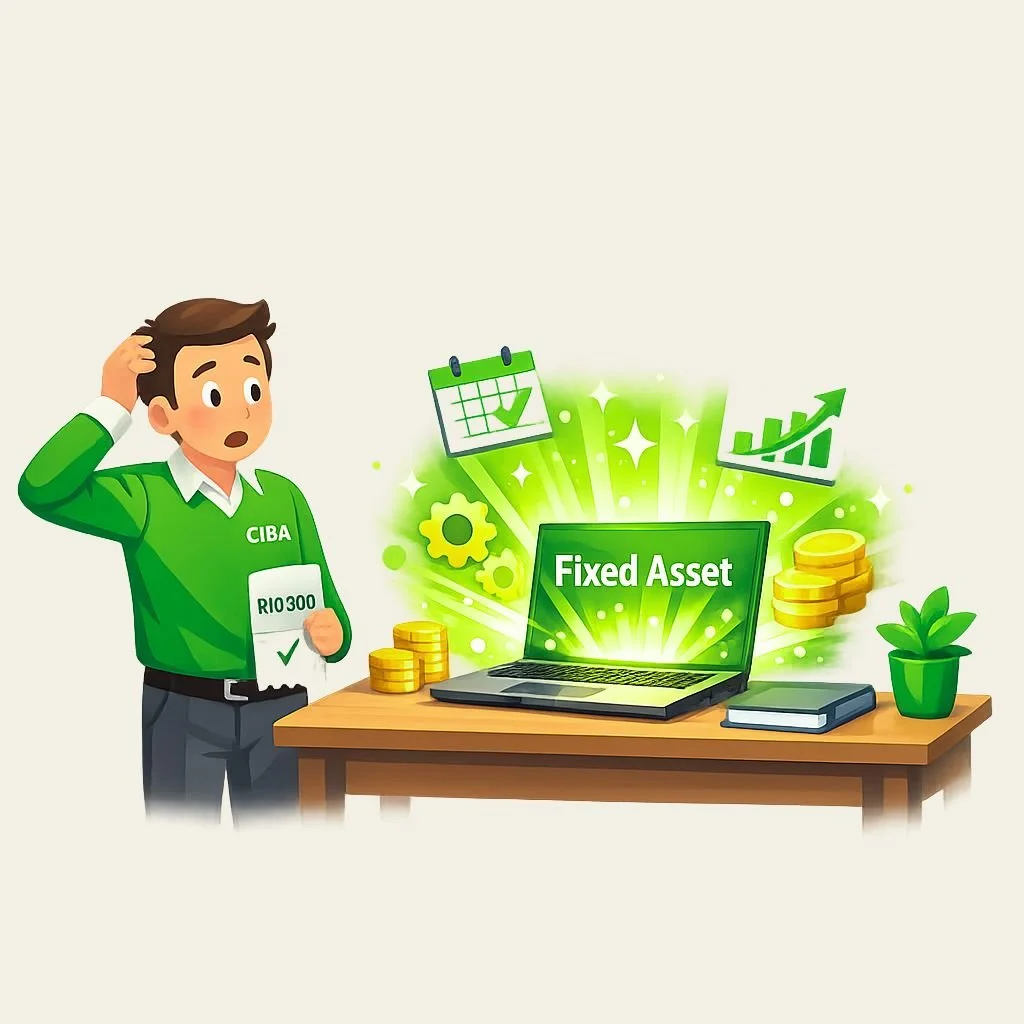
Not Everything You Buy Is an Expense
Not Everything You Buy Is an Expense
Bought a laptop for R20,000? Many business owners assume the full amount must be expensed immediately. In accounting, that’s not always the case. Some purchases are assets, not expenses — and how you record them affects your profit and financial statements. This practical guide breaks down fixed assets and depreciation using a simple example showing how an asset bought today can still appear on the balance sheet years later, and how spreading costs over time keeps financial statements accurate.

Good Intentions Need Great Reporting: Why NPOs Can’t Skip the Paper Trail
Think good deeds excuse bad books? Think again. Whether you're feeding communities or fighting for change, your non-profit’s finances could make, or break your next funding round. Here’s what SARS, CIPC, DSD, and your donors expect to see (and what happens if you fall short).

IFRS for SME’s, the Financial Reporting Standard for Small Businesses
IFRS for SMEs is a financial reporting framework designed for small and medium-sized businesses. It simplifies accounting rules, reduces paperwork, and lowers compliance costs while still following international standards. Unlike full IFRS, it has fewer disclosures, simpler financial instruments, and an easier approach to leases and goodwill. This makes it a practical choice for private companies that do not need complex financial reporting. Businesses using IFRS for SMEs can benefit from clearer financial statements, lower costs, and easier compliance while maintaining credibility with investors and lenders.