
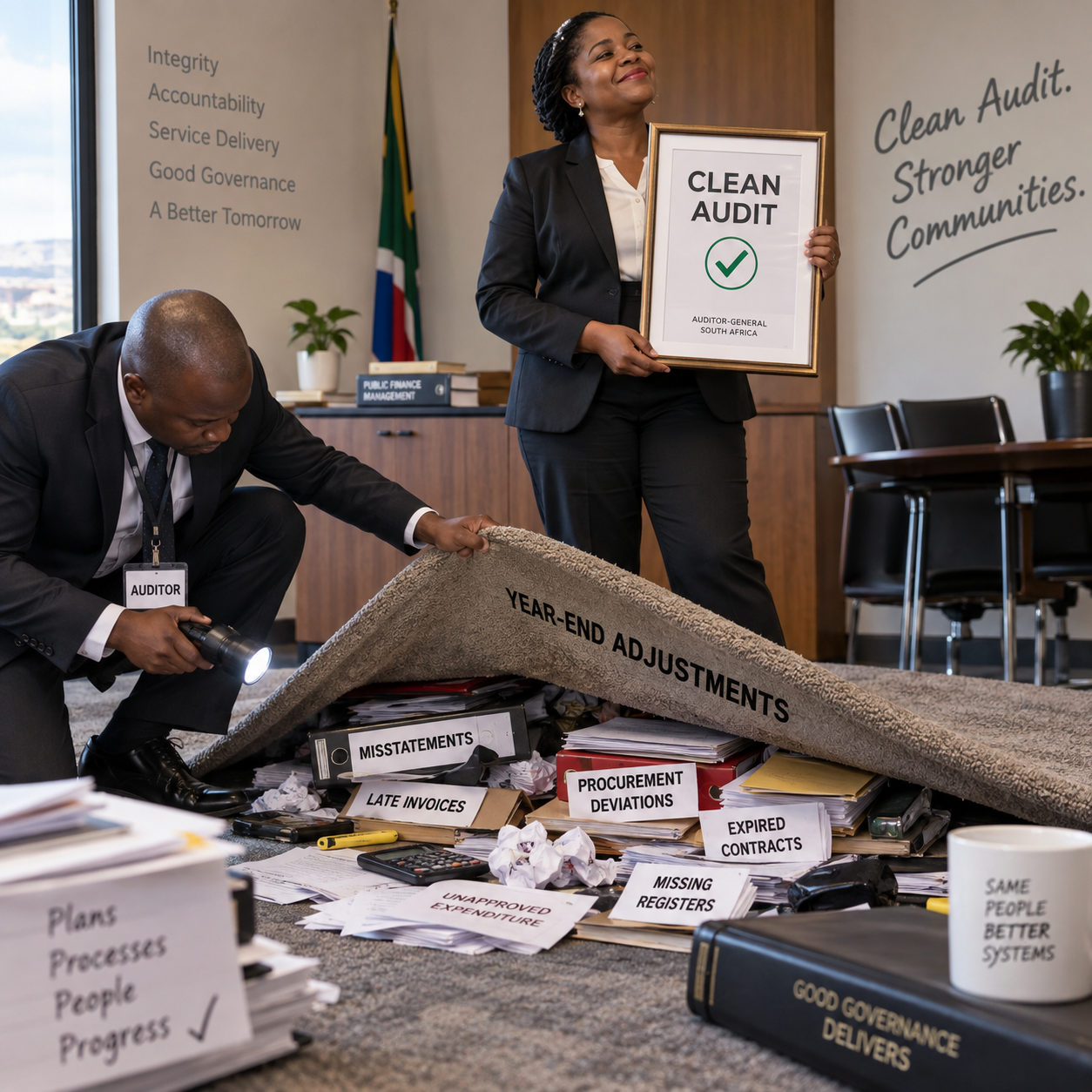
A Clean Audit Does Not Mean Nothing Went Wrong
A clean audit does not mean a department has got everything right. Sometimes it means the mistakes were found and fixed before the opinion was signed. Without corrections during the audit, only 59% of auditees would have been unmodified in 2024-25. Eighty-one percent were. Here is what that gap hides, and what to ask instead.
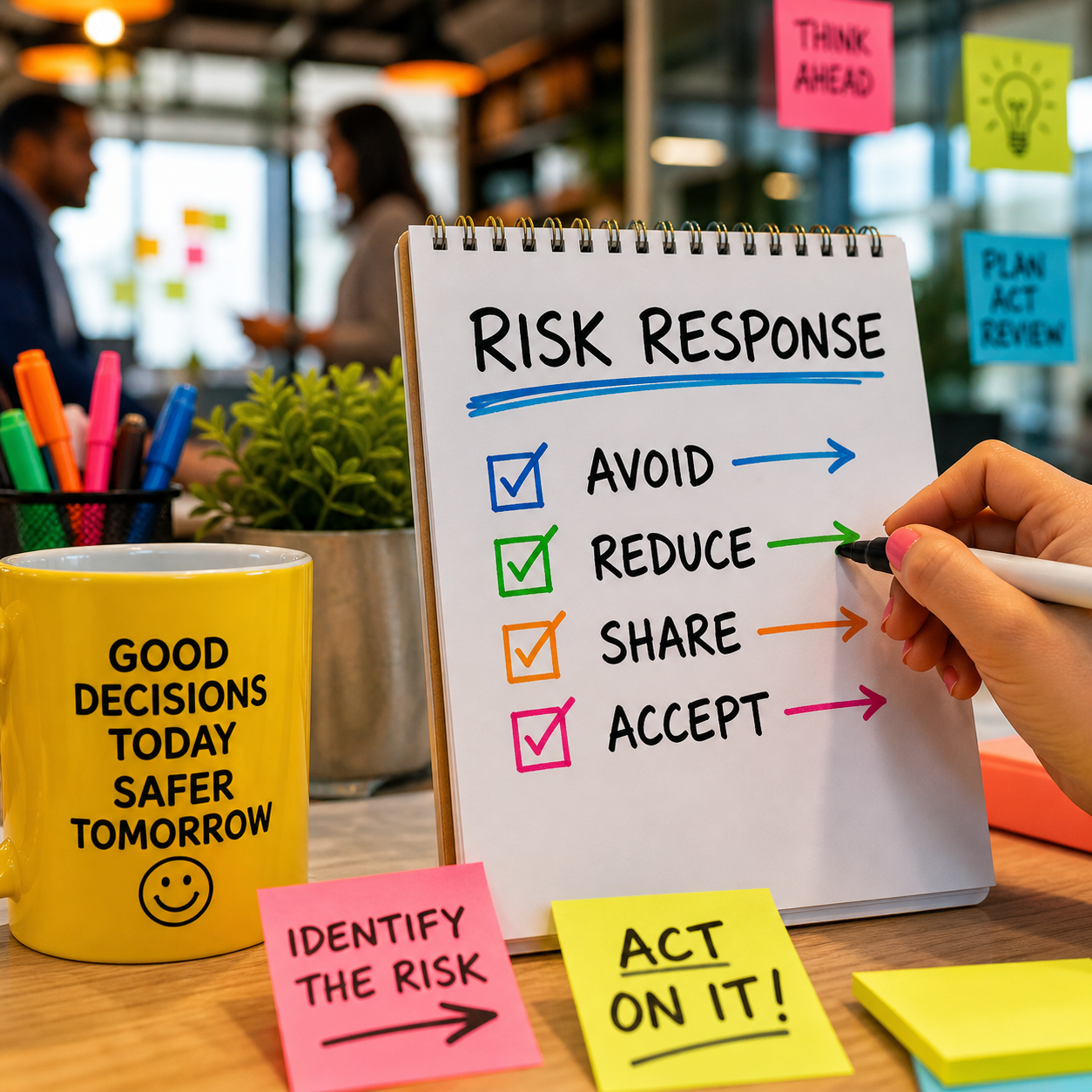
You’ve Identified the Risk… But That Was the Easy Part
Most professionals are good at spotting risk but that is only the beginning. Writing it down does not fix the problem and it does not protect the business. The real value comes from deciding what to do next and actually doing it. Whether you avoid it, reduce it, share it or accept it, the key is to make a clear choice and take action. Risk only becomes managed when something in the real world changes.
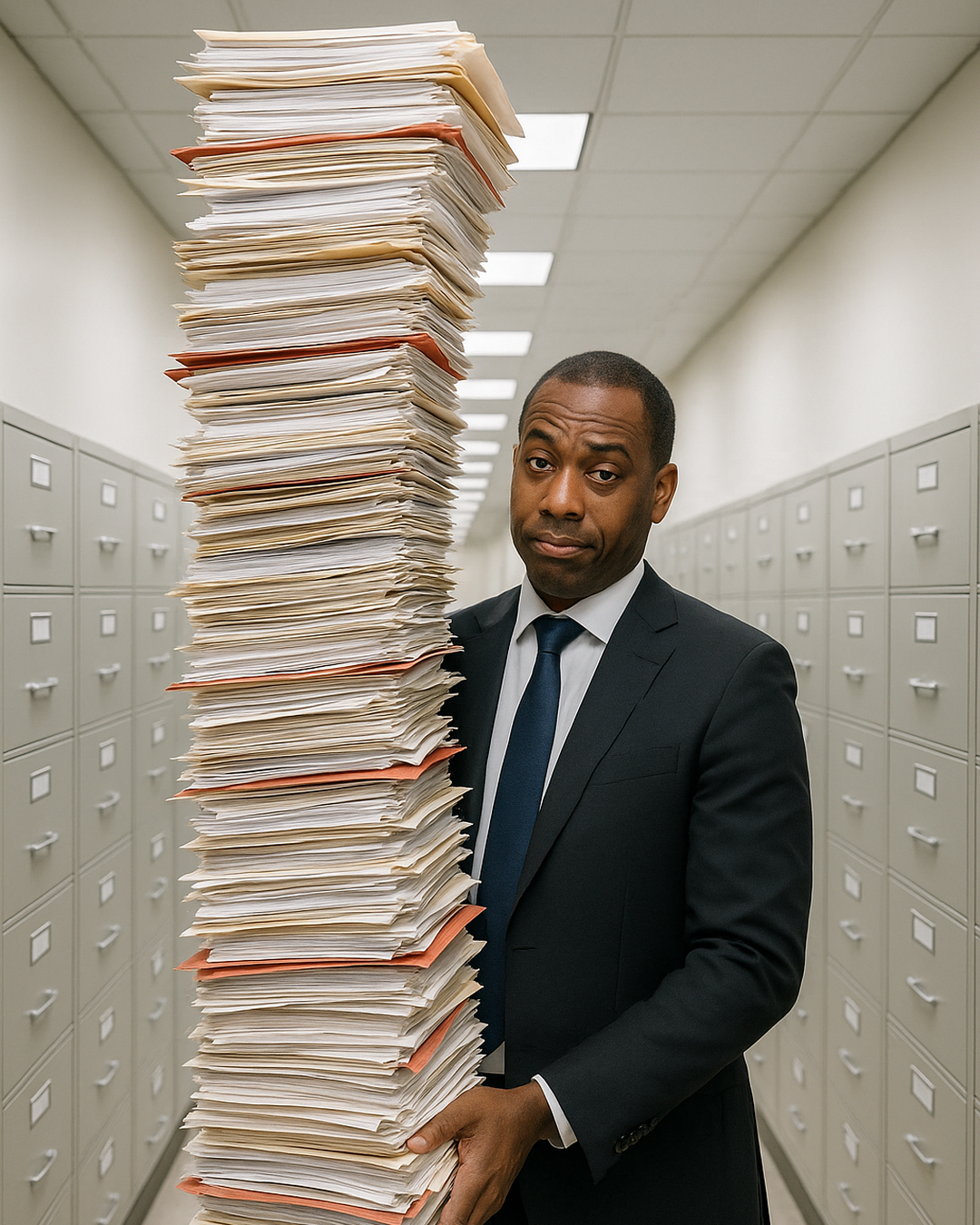
Government Said Sign It. The PFMA Says Otherwise
R120 billion in irregular expenditure isn’t just a number, it’s a warning. Behind every “just process it” instruction is a finance professional forced to choose between compliance and career risk. The PFMA is clear: accountability doesn’t move up the chain with verbal approvals, it stays with you. In a system where consequences are inconsistent, your judgment becomes the last line of defence between governance and failure.

King V Crowned: What the New Governance Code Means for Your Practice
The new King V Code has landed, and it’s a game-changer for every accountant, not just the big firms. With clearer rules, a stronger focus on ethics, AI, and sustainability, and more practical guidance, it helps you stay compliant, build trust, and lead with confidence. If you are in practice, this is a must-read update.